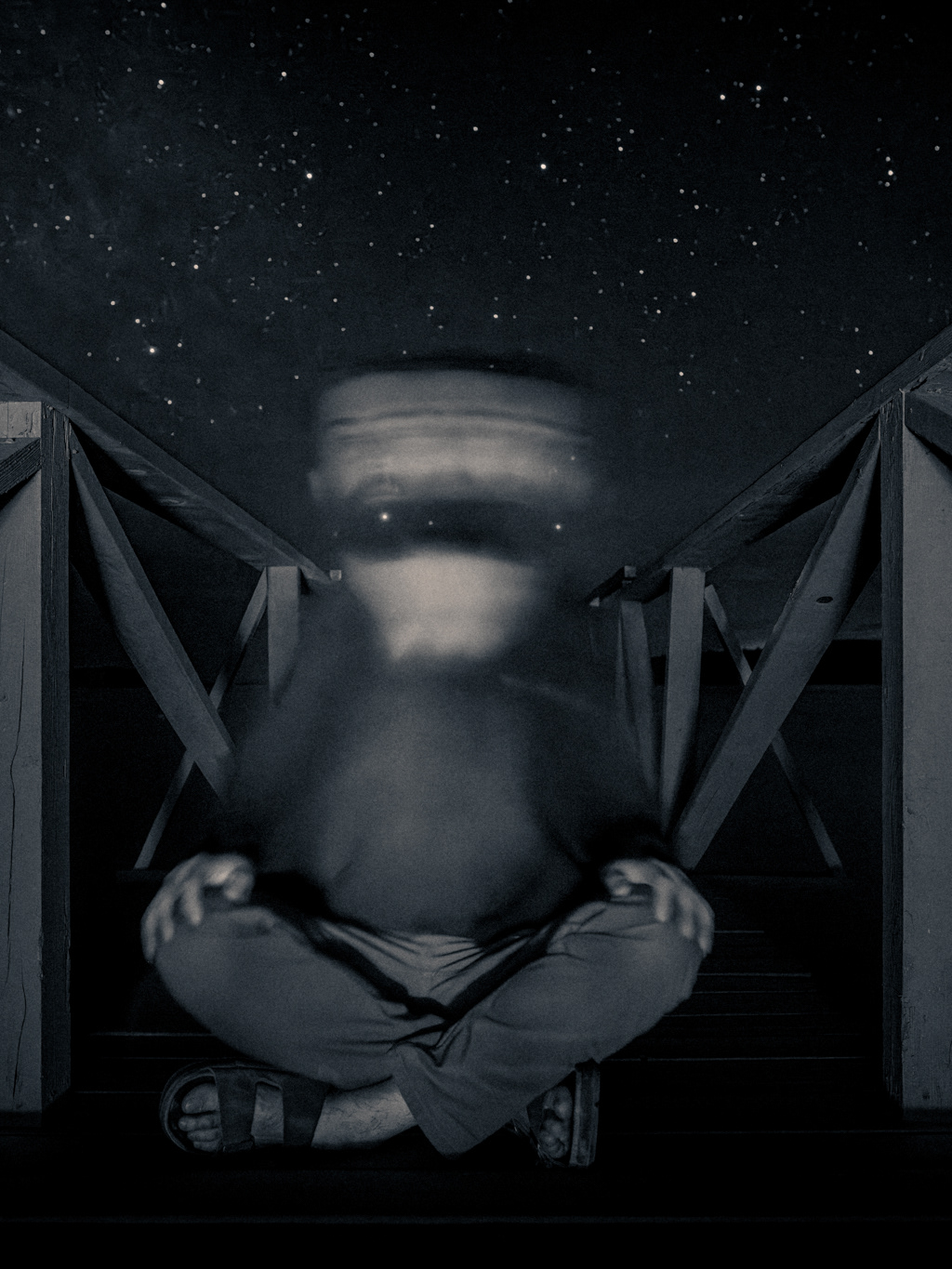
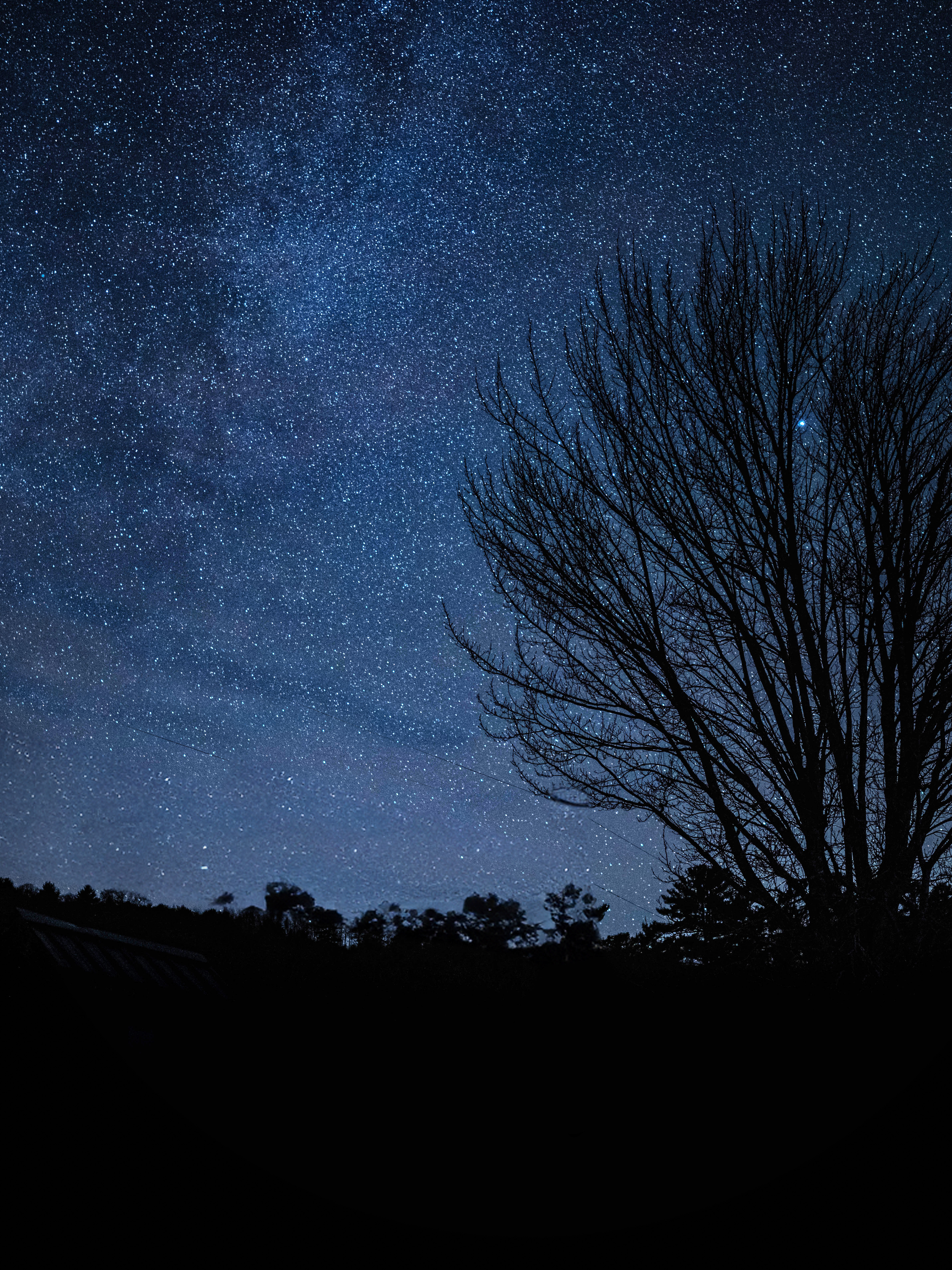
Three works. Three refuges: Buddha, Dharma, Sangha.
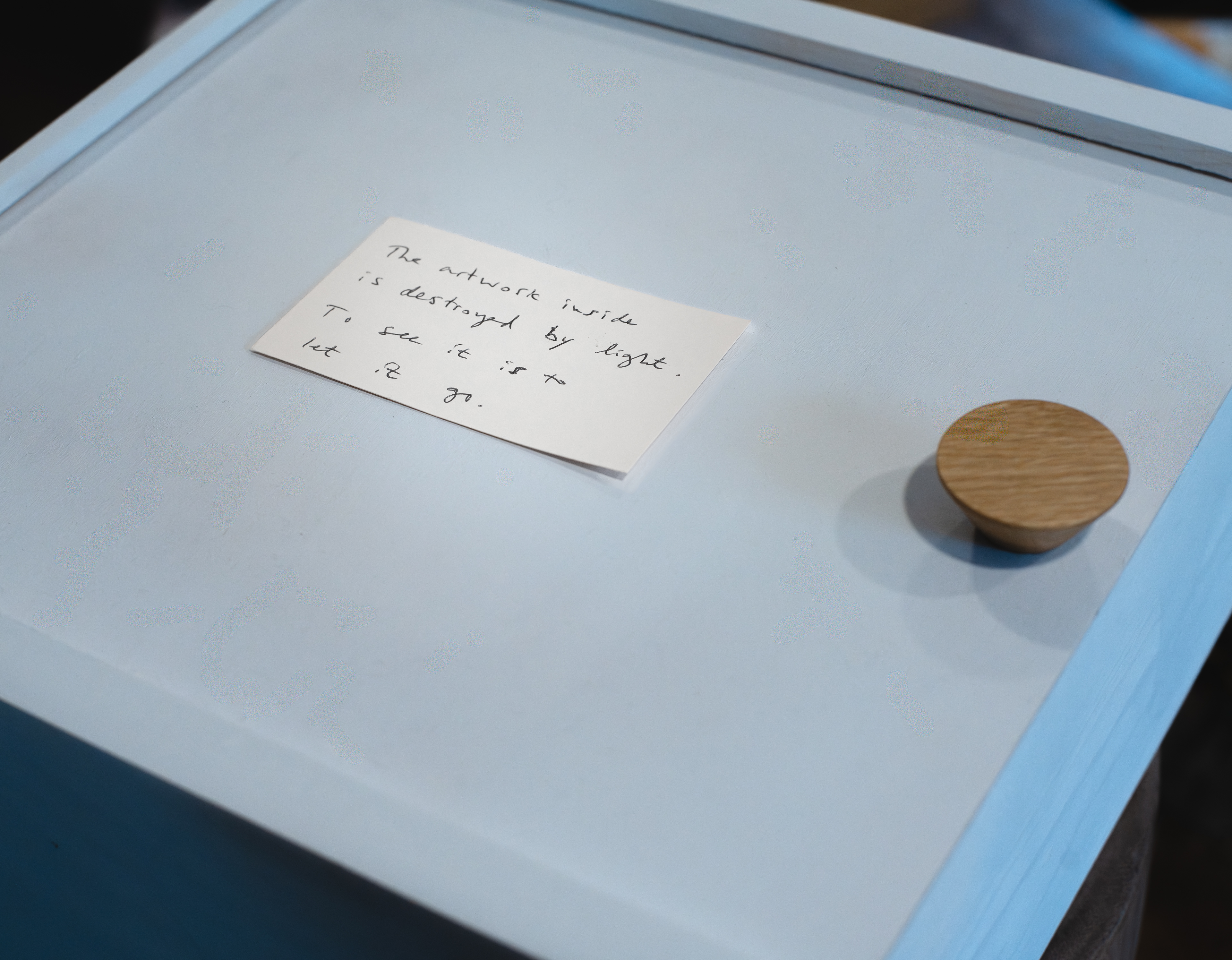
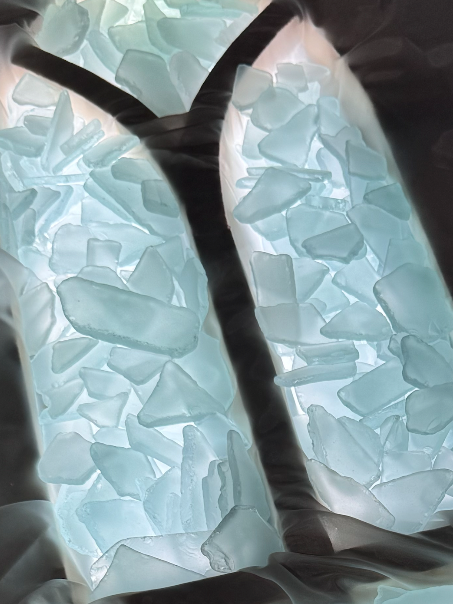
Dharma is represented as an anthotype in a wooden box. Anthotypes are made with plant pigments that fade when they meet light. Opening the box to look at the work destroys it. You can't see it without changing it. Impermanence isn't the subject. It's the material.
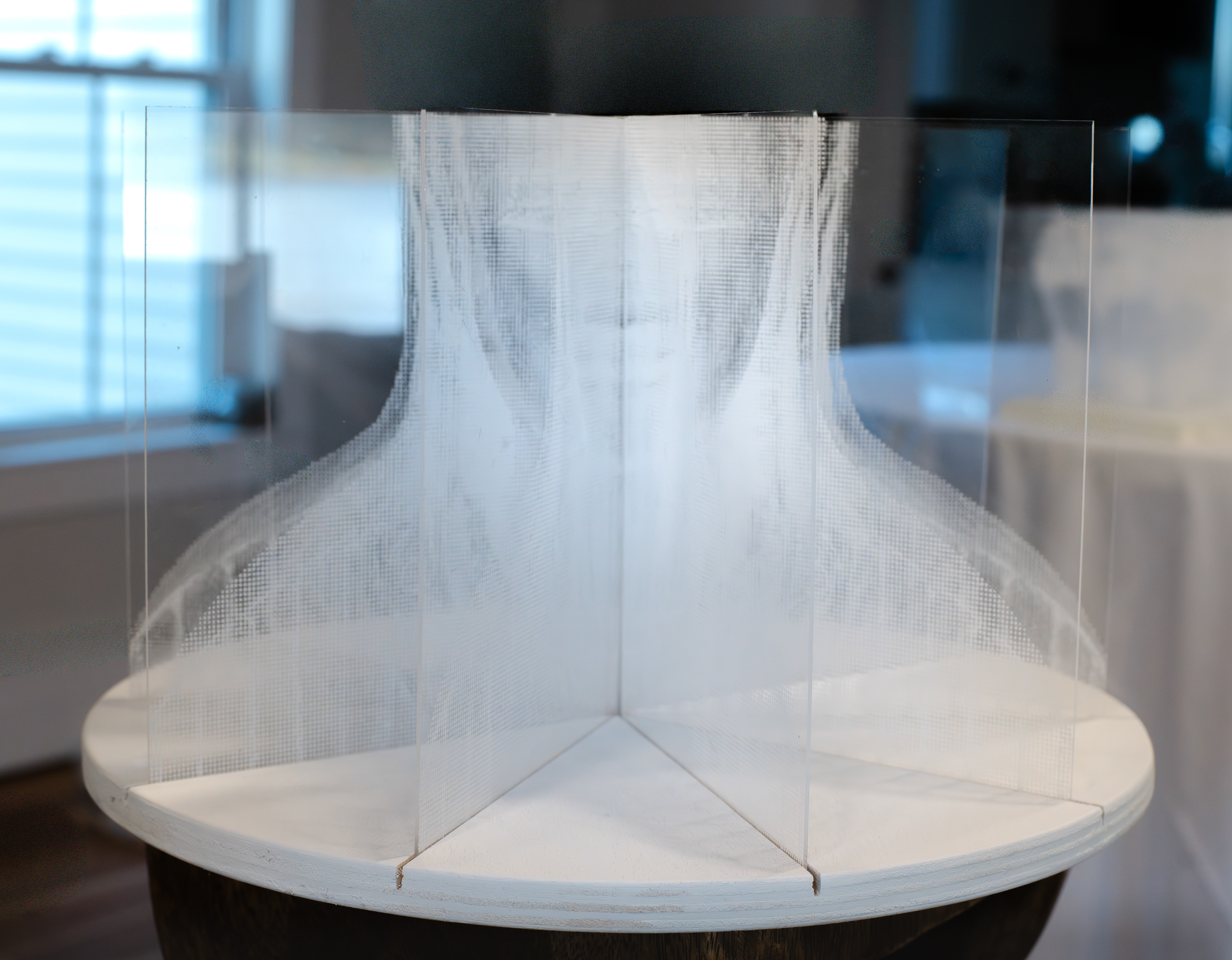
the Buddha is displayed as a circular portrait of Guan Yin — the Buddhist deity of compassion, "the one who hears the cries of the world." The composition has no fixed front or back. She's there from wherever you stand.
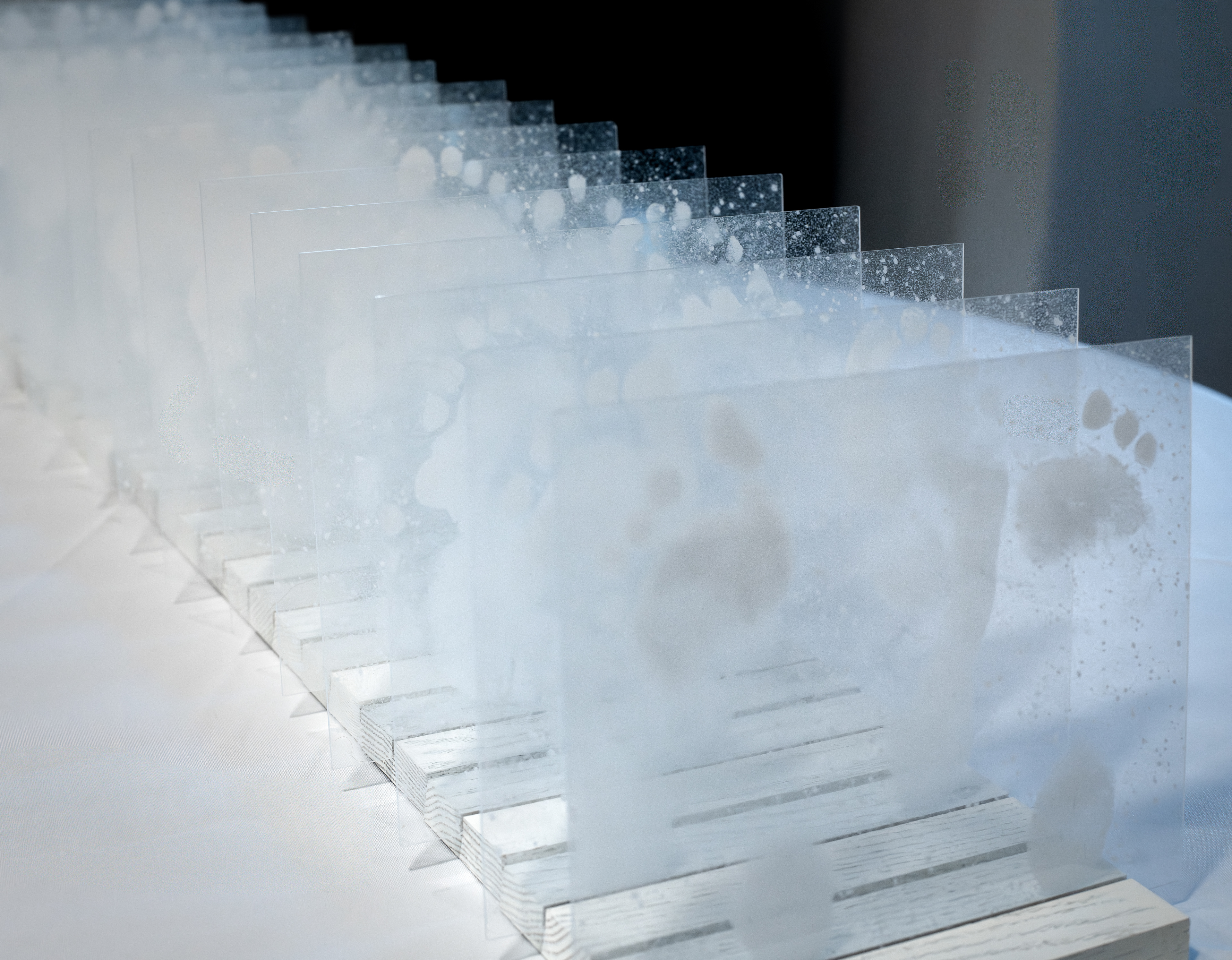
Sangha is rendered as a path of footprints — mine alongside those of fellow Buddhist practitioners. Look at the ground between them and what you thought was dirt turns out to be photographs of stars, blown up until they lose their context. There's no solid ground. The path is the point.
Both are printed in white ink on transparent plexiglass. They dissolve into their surroundings. They dissolve into each other. That's not an effect — that's the argument.